
Managing your money often feels like a daunting chore, but gaining control is simpler than you might think. By establishing a clear view of your accounts, income, and spending habits, you build a foundation for lasting wealth. Taking charge of your cash flow is the first step toward true peace of mind.
This guide helps you gather essential details like interest rates, payment dates, and recurring charges. We will walk through the process of building a realistic monthly budget that works for your lifestyle. You will learn practical ways to separate needs from wants while reducing unnecessary costs.
Mastering personal finance organization allows you to automate savings and tackle debt with confidence. Our friendly framework makes it easy to track progress and reach your goals faster. Start today by creating a system that supports your future dreams.
Key Takeaways
- Gather all account balances and interest rates to see your full picture.
- Distinguish between essential living costs and flexible spending habits.
- Create a consistent monthly budget to track every dollar effectively.
- Automate your savings contributions to ensure consistent growth over time.
- Use a structured approach to pay down high-interest debt faster.
How to Organize Personal Finances
Taking control of your financial future begins with a clear understanding of where your money goes each month. By creating a centralized system, you can stop guessing about your take-home pay and start making informed decisions that align with your goals.
Gather Bank, Credit Card, Loan, and Investment Information
Build a complete list of accounts, balances, interest rates, payment dates, and recurring charges
Start by logging into every financial portal you own. You need to compile a master list that captures the current state of your financial health. This list should include:
- Account names and types (checking, savings, credit cards, loans).
- Current balances and active interest rates.
- Upcoming payment due dates to avoid late fees.
- All recurring charges, such as annual fees or monthly subscriptions.
Separate Essential Expenses From Flexible Spending
Group housing, utilities, groceries, transportation, subscriptions, dining, and entertainment into clear categories
Once you have your data, divide your outflows into two distinct buckets. Essential expenses are the non-negotiable costs required for survival and work, such as rent or mortgage, utilities, groceries, and basic transportation.
In contrast, flexible spending covers the areas where you have more control. This includes dining out, streaming subscriptions, hobbies, and entertainment. Separating these helps you identify exactly where you can trim costs without sacrificing your quality of life.
Choose a Simple System for Tracking Money
Compare a budgeting app, spreadsheet, or monthly cash-flow calendar and schedule weekly money check-ins
Choosing the right tool is vital for maintaining your cash flow. You should pick a method that feels natural to you so that you actually stick with it over time.
| Method | Best For | Effort Level |
|---|---|---|
| Budgeting App | Automation | Low |
| Spreadsheet | Customization | Medium |
| Cash-flow Calendar | Visual Planning | High |
Regardless of the tool you choose, consistency is the secret to success. Schedule a weekly money check-in to review your take-home pay against your spending. This habit ensures your essential expenses remain covered while keeping your flexible spending within reasonable limits.
Build a Practical Budget That Reflects Your Real Life
Building a budget that sticks is easier when you base it on your actual take-home pay. A practical budget acts as a roadmap for your financial journey, ensuring you stay on track without feeling overwhelmed.
Calculate Monthly Take-Home Income
Use after-tax pay and include reliable freelance, benefit, or side-income payments without overestimating
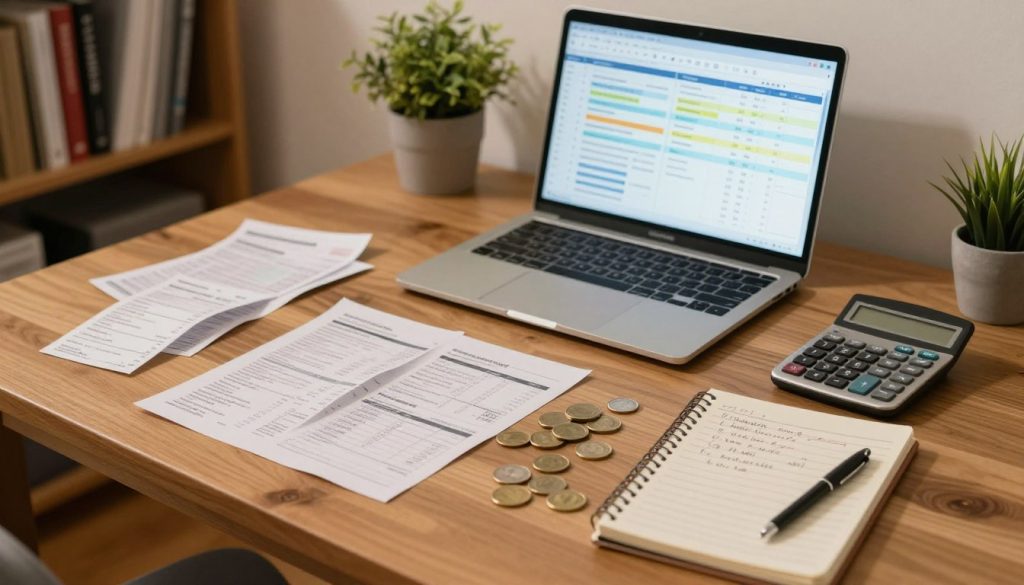
Start by identifying your net income, which is the amount that hits your bank account after taxes and deductions. If you have side income, only include amounts you can consistently count on each month. Avoid the temptation to overestimate your earnings, as this can lead to a shortfall when bills arrive.
Assign Every Dollar a Purpose
Prioritize housing, food, transportation, insurance, debt payments, savings, and personal spending
Once you know your total income, give every single dollar a specific job. By assigning funds to essential categories like housing, food, and transportation, you ensure your basic needs are met first. Don’t forget to allocate money for debt payments and your savings rate to build long-term security.
Setting aside a small portion for personal spending is also vital. This prevents burnout and helps you sustain your budget over the long term.
Plan for Irregular Expenses
Create sinking funds for annual insurance bills, car repairs, medical costs, holidays, and other predictable expenses
Many people struggle because they forget about irregular expenses that pop up throughout the year. You can manage these by creating sinking funds, which are dedicated accounts where you save small amounts monthly for future costs. This strategy helps you avoid debt when annual insurance premiums or unexpected car repairs occur.
Adjust the Budget After the First Month
Compare planned and actual spending, then make realistic changes instead of relying on overly restrictive targets
Your first month of budgeting is essentially a trial run. After thirty days, compare your planned spending against your actual bank statements to see where you might need to cut expenses. If you find that you consistently overspend in one area, adjust your targets to be more realistic rather than forcing yourself to follow an impossible plan.
Flexibility is the secret to a lasting budget. By making these small, data-driven adjustments, you create a system that truly supports your lifestyle.
Cut Expenses and Increase Your Savings Rate
Transforming your bank account balance begins with small, intentional changes to your daily spending and saving routines. By identifying areas where money leaks out of your budget, you can redirect those funds toward your most important financial goals.

Reduce Recurring Bills and Unused Services
Review subscriptions, insurance premiums, phone plans, internet service, and memberships for cancellation or negotiation opportunities
Start by auditing your monthly statements to find recurring charges that no longer provide value. Many people pay for streaming services, gym memberships, or app subscriptions they rarely use.
Contact your service providers to negotiate lower rates on your internet or phone plans. Loyalty often pays off if you simply ask for a better deal or mention a competitor’s lower price.
Use Spending Rules for Everyday Purchases
Plan meals, shop with a list, delay nonessential purchases, and compare unit prices before buying
Grocery spending is often the easiest area to optimize. By planning your meals for the week and sticking to a strict shopping list, you avoid the temptation of impulse buys.
Always compare unit prices on the shelf to ensure you are getting the best value for your money. If you see a nonessential item you want, wait 48 hours before purchasing it to see if you still feel the same way.
Automate Savings on Payday
Direct money to an emergency fund, high-yield savings account, 401(k), or IRA before discretionary spending begins
The most effective way to build wealth is to automate savings before you have a chance to spend your paycheck. Set up a direct deposit to move a portion of your income into a high-yield savings account or your retirement savings accounts like a 401(k) or IRA.
Treating your savings like a mandatory bill ensures that your future self is always prioritized. This simple habit removes the emotional struggle of deciding whether to save or spend.
Build an Emergency Fund in Stages
Start with a small cash reserve, then work toward three to six months of essential expenses
Life is unpredictable, so having an emergency fund is vital for your peace of mind. Begin by saving a small, manageable cash reserve to cover minor unexpected costs like a flat tire or a broken appliance.
Once you have that initial cushion, gradually increase your contributions until you have three to six months of essential living expenses saved. This safety net prevents you from relying on high-interest credit cards when life throws a curveball.
Pay Down High-Interest Debt Strategically
Choose the debt avalanche or debt snowball method while continuing minimum payments on every account
Managing debt requires a clear strategy to avoid paying excessive interest over time. You must continue making minimum payments on all accounts to protect your credit score while focusing extra cash on one specific debt.
| Strategy | Focus | Best For |
|---|---|---|
| Debt Avalanche | Highest Interest Rate | Saving money on interest |
| Debt Snowball | Smallest Balance | Building psychological momentum |
| Hybrid Approach | Flexible Priority | Customized financial goals |
Whether you choose the avalanche or snowball method, the key is consistency. Staying disciplined with your payments will eventually free up more cash to boost your long-term financial stability.
Conclusion
Managing your money becomes simple when you view your accounts, spending habits, and income in one clear system. A realistic budget acts as the foundation for your long-term success. By setting aside money for sinking funds and maintaining an emergency fund, you protect your lifestyle against unexpected costs. Aim to build a safety net that covers three to six months of your essential living expenses.
Your future self relies on the steps you take today. Consistent contributions to a 401(k) or an IRA help your wealth grow through the power of compound interest. These retirement accounts provide a secure path toward independence. Prioritize these investments even while you manage your current obligations.
Tackling debt requires a focused strategy that fits your personality. You might choose the debt avalanche method to save on interest costs over time. Some people prefer the debt snowball approach to gain quick wins and stay motivated. Both paths work well as long as you keep making every minimum payment on time. Start your journey toward financial stability today by picking the plan that keeps you moving forward.