

Can you imagine waking up every morning feeling refreshed, energized, and ready to take on the day, all while knowing you’re contributing to a healthier planet? This is the essence of a sustainable high energy lifestyle.
Adopting eco-friendly habits not only boosts your personal vitality but also supports environmental sustainability. By making small changes in your daily life, you can significantly impact both your well-being and the planet’s.
Embracing this lifestyle involves conscious choices that promote eco-friendly living. It’s about finding a balance between personal energy and planetary well-being.
Key Takeaways
- Adopting a sustainable lifestyle can boost personal energy.
- Small daily changes can significantly impact environmental sustainability.
- Eco-friendly habits support both personal and planetary well-being.
- Conscious choices are key to a sustainable high energy lifestyle.
- Balancing personal energy and environmental sustainability is crucial.
What Does a Sustainable High Energy Lifestyle Look Like?
Embracing a sustainable high energy lifestyle is about making conscious choices that benefit both you and the planet. It’s a lifestyle that acknowledges the intricate relationship between personal vitality and environmental health. By making informed decisions, individuals can boost their energy levels while contributing to a more sustainable future.
It’s not just about saving the planet; it’s about enhancing your own well-being. As noted by environmentalist David Suzuki, “The way we live, the things we own, and the way we interact with the environment have a profound impact on our health and the health of the planet.”
“The way we live, the things we own, and the way we interact with the environment have a profound impact on our health and the health of the planet.” – David Suzuki
Balancing Personal Vitality with Environmental Responsibility
Achieving a balance between personal vitality and environmental responsibility is crucial. This involves adopting energy-efficient practices that not only reduce your carbon footprint but also enhance your physical and mental well-being. Simple changes, such as using public transport, carpooling, or driving electric vehicles, can make a significant difference.
Here are some practical tips to get you started:
- Reduce energy consumption by using energy-efficient appliances and lighting.
- Conserve water by taking shorter showers and fixing leaks.
- Reduce, reuse, recycle to minimize waste.
The Benefits of Going Green While Staying Energized
Going green is not just good for the planet; it’s also beneficial for your health and energy levels. By incorporating green living tips into your daily routine, you can experience a range of benefits, from improved air quality to enhanced mental clarity.
| Benefits | Description |
|---|---|
| Improved Air Quality | Reducing pollution and using air purifiers can lead to better respiratory health. |
| Enhanced Mental Clarity | Spending time in nature and reducing exposure to toxins can improve cognitive function. |
| Increased Energy | Adopting energy-efficient practices and living a more active lifestyle can boost your energy levels. |
By embracing a sustainable high energy lifestyle, you’re not only contributing to a healthier planet, but you’re also investing in your own vitality and well-being.
Fuel Your Body with Sustainable, Energy-Boosting Nutrition
Sustainable energy begins with the nutrients you fuel your body with. A diet rich in whole foods not only boosts your energy levels but also contributes to a healthier planet. By making informed nutritional choices, you can maintain your vitality while supporting environmental sustainability.
Step 1: Transition to a Plant-Forward Diet
Transitioning to a plant-forward diet is a significant step towards achieving a sustainable high energy lifestyle. This involves emphasizing whole grains, legumes, and a variety of vegetables in your meals.
Choose Whole Grains, Legumes, and Vegetables
Whole grains like quinoa and brown rice, legumes such as lentils and chickpeas, and a wide array of vegetables are packed with nutrients. They provide sustained energy and are rich in fiber, vitamins, and minerals.
- Quinoa is a complete protein, making it an excellent choice for energy.
- Lentils are rich in iron, supporting healthy energy levels.
- Leafy greens like spinach are rich in magnesium, crucial for energy production.
Reduce Meat Consumption Gradually
Gradually reducing meat consumption can significantly impact your energy levels and the environment. Incorporating meatless days or substituting with plant-based proteins can be beneficial.
“By incorporating more plant-based meals, you’re not only boosting your energy but also reducing your carbon footprint.”
Step 2: Source Local and Seasonal Produce
Sourcing local and seasonal produce is another critical step. It ensures that your diet is fresh, nutritious, and environmentally friendly.
Visit Farmers Markets and Join CSA Programs
Farmers markets and Community Supported Agriculture (CSA) programs are excellent ways to access fresh, local produce. They promote sustainable agriculture and help reduce the carbon footprint associated with food transportation.

| Produce | Season | Benefits |
|---|---|---|
| Apples | Fall | Rich in fiber, supports digestive health |
| Tomatoes | Summer | High in lycopene, antioxidant properties |
| Spinach | Spring/Fall | Packed with iron and magnesium, supports energy production |
Step 3: Minimize Food Waste Through Smart Planning
Minimizing food waste is crucial for a sustainable lifestyle. It involves planning your meals, preparing food efficiently, and storing it properly.
Meal Prep and Proper Food Storage Techniques
Effective meal preparation and food storage can significantly reduce waste. Techniques include planning meals around seasonal produce, using up leftovers, and storing food in airtight containers.
- Plan your meals for the week ahead.
- Shop from local farmers markets to get fresh produce.
- Use airtight containers for storing leftovers.
By implementing these strategies, you can enjoy a diet that is both energizing and sustainable, contributing to a healthier you and a healthier planet.
Create an Energy-Efficient Home Environment
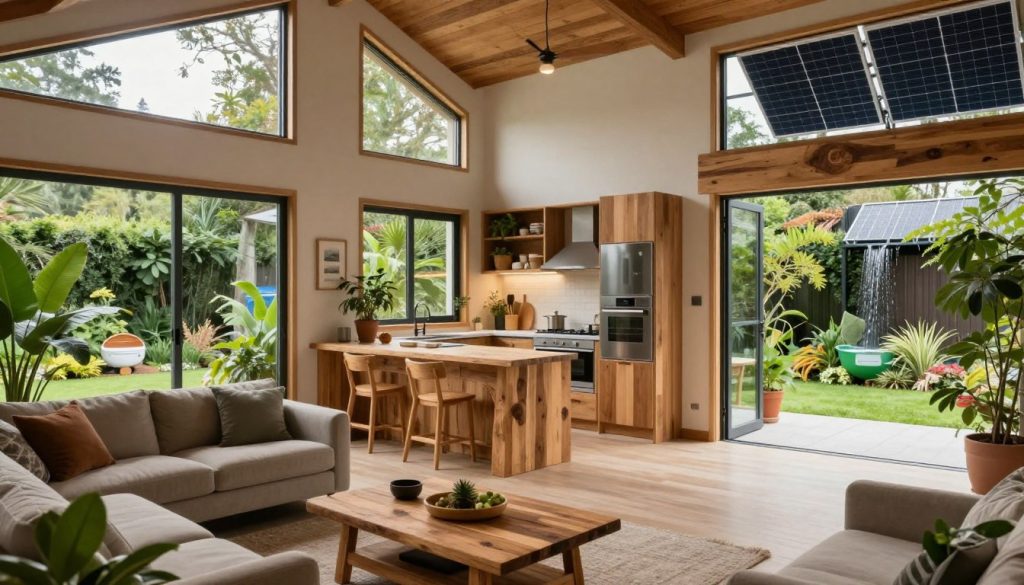
Creating an energy-efficient home environment is not just about saving on utility bills; it’s a lifestyle choice that benefits both you and the planet. By making a few strategic changes, you can significantly reduce your energy consumption and reliance on non-renewable energy sources, all while maintaining a comfortable and energized living space.
Upgrade to Energy-Efficient Lighting and Appliances
The first step towards an energy-efficient home is upgrading your lighting and appliances. This not only reduces energy consumption but also enhances the overall ambiance and functionality of your living space.
Install LED Bulbs Throughout Your Home
LED bulbs are a simple yet effective way to reduce energy consumption. They use significantly less energy than traditional incandescent bulbs and last much longer, reducing waste and the need for frequent replacements. LED bulbs use up to 90% less energy and can last up to 25 times longer than incandescent lighting.
Replace Old Appliances with Energy Star Models
Replacing old appliances with Energy Star certified models is another effective way to boost your home’s energy efficiency. These appliances are designed to use less energy while providing the same level of performance. Look for the Energy Star label when shopping for new appliances to ensure you’re making an energy-efficient choice.
Optimize Heating and Cooling Systems
Optimizing your heating and cooling systems is crucial for maintaining a comfortable home environment while reducing energy consumption. Simple adjustments can make a significant difference.
Install a Programmable or Smart Thermostat
A programmable or smart thermostat allows you to control your home’s temperature more efficiently. By adjusting the temperature based on your schedule, you can save energy when you’re not home or when you’re sleeping. Smart thermostats can learn your preferences and adjust the temperature accordingly, maximizing comfort and efficiency.
Seal Air Leaks and Add Insulation
Sealing air leaks and adding insulation are critical steps in optimizing your heating and cooling systems. Proper insulation helps maintain your home’s temperature, reducing the workload on your heating and cooling systems. Check your home for drafts around windows, doors, and ducts, and seal them to prevent energy loss.
Harness Renewable Energy Solutions
Harnessing renewable energy solutions is a forward-thinking approach to making your home more energy-efficient. By investing in renewable energy, you can reduce your reliance on non-renewable energy sources and lower your carbon footprint.
Install Rooftop Solar Panels
Rooftop solar panels are a popular choice for homeowners looking to harness renewable energy. They convert sunlight into electricity, providing a clean and sustainable source of power. While the initial investment can be significant, the long-term savings and environmental benefits make it a worthwhile consideration.
Switch to a Green Energy Provider
If installing solar panels isn’t feasible, switching to a green energy provider is another way to support renewable energy. Many utility companies offer green energy plans that source electricity from renewable sources such as wind or solar power. This switch can be made without any changes to your home’s infrastructure.
| Energy-Efficient Practice | Benefits | Cost Savings |
|---|---|---|
| Installing LED Bulbs | Reduces energy consumption, lasts longer | Up to $1,000 per year |
| Upgrading to Energy Star Appliances | Less energy usage, better performance | $400-$500 per year |
| Installing Solar Panels | Renewable energy source, reduces carbon footprint | $500-$1,000 per year |
Optimize Sleep and Recovery for Sustained Energy
Optimizing sleep and recovery is crucial for those embracing a sustainable high-energy lifestyle. Quality rest is foundational to maintaining vitality and supporting healthy lifestyle choices. By creating an environment that fosters restful sleep and adopting routines that promote recovery, individuals can enhance their overall well-being and energy levels.
Design an Eco-Friendly Bedroom
Transforming your bedroom into an eco-friendly sanctuary can significantly improve sleep quality. This involves making conscious choices about the materials and products used in the bedroom.
Choose Organic Bedding and Sustainable Mattresses
Selecting organic bedding and sustainable mattresses made from natural materials can reduce exposure to chemicals and enhance comfort. Look for products certified by organizations that promote environmental sustainability and health.
Control Light and Temperature Naturally
Regulating light and temperature naturally can be achieved through the use of blackout curtains made from sustainable materials and adjusting your home’s insulation to maintain a comfortable temperature. This approach not only improves sleep but also supports eco-friendly living practices.
Establish Consistent Sleep Routines
Establishing a consistent sleep schedule is vital for improving the quality of sleep. Going to bed and waking up at the same time daily, including weekends, helps regulate the body’s internal clock and can enhance the restorative benefits of sleep.
Reduce Evening Energy Consumption
Reducing energy consumption in the evening can help signal to the body that it’s time to sleep. Dimming lights and avoiding screens before bedtime are simple yet effective strategies. Additionally, using energy-efficient appliances and lighting can contribute to a more sustainable lifestyle while promoting better rest.
Embrace Sustainable Transportation and Active Living
By making conscious choices about how we travel, we can significantly reduce our carbon footprint and boost our overall well-being. Sustainable transportation is a key component of a high-energy lifestyle, as it not only benefits the environment but also enhances personal vitality.
Prioritize Human-Powered Transportation
One of the most effective ways to embrace sustainable transportation is by prioritizing human-powered options. This includes walking or biking for short trips and incorporating active commuting into your daily routine.
Walk or Bike for Trips Under Three Miles
For trips under three miles, walking or biking is an excellent choice. Not only does it reduce reliance on fossil fuels, but it also provides an opportunity for physical activity, improving cardiovascular health and boosting energy levels. Regular walking or biking can lead to significant health benefits, including reduced risk of chronic diseases.
Incorporate Active Commuting Into Your Routine
Incorporating active commuting, such as cycling to work or walking part of your commute, can have a substantial impact on your daily energy levels. It’s a great way to start and end your day with a boost of energy. Consider the following tips to make active commuting a habit:
- Plan your route in advance to ensure it’s safe and enjoyable.
- Invest in appropriate gear, such as a good quality bike or comfortable walking shoes.
- Start small by incorporating active commuting into your routine one or two days a week and gradually increase the frequency.
Use Public Transit and Carpooling Options
For longer trips or when human-powered transportation isn’t practical, using public transit or carpooling is a sustainable alternative. These options reduce the number of vehicles on the road, decreasing emissions and contributing to a cleaner environment.
Some benefits of using public transit include:
- Reduced traffic congestion.
- Lower emissions per passenger.
- Cost savings on fuel and vehicle maintenance.
Choose Electric or Hybrid Vehicles
For situations where driving is necessary, choosing electric or hybrid vehicles can significantly reduce environmental impact. These vehicles offer a more sustainable option compared to traditional gasoline-powered cars.
Evaluate Your Driving Needs and Vehicle Options
When considering an electric or hybrid vehicle, it’s essential to evaluate your driving needs. Assess your typical driving habits, including the distance you travel and the type of driving you do most often. This will help you choose the most suitable vehicle for your needs.
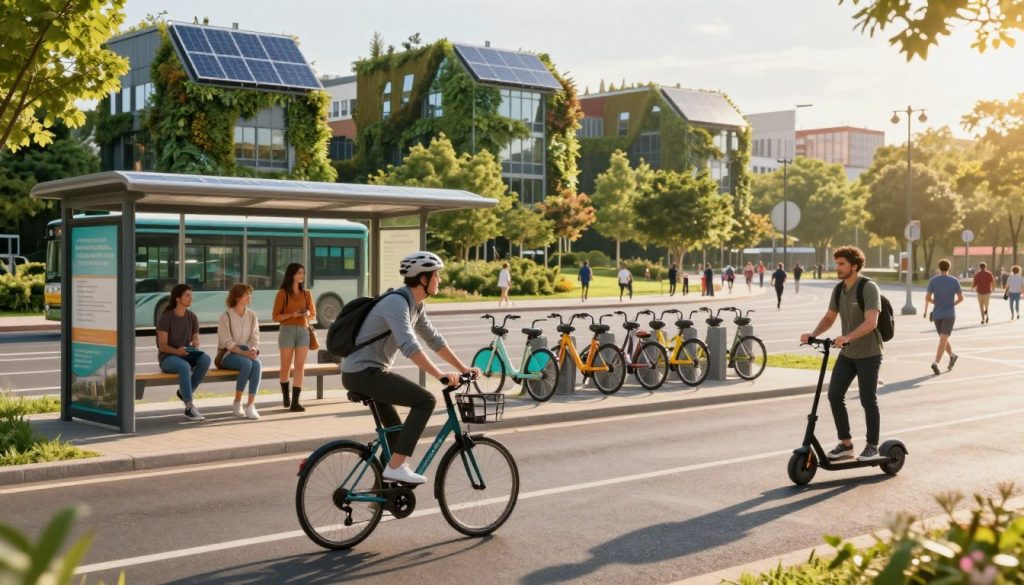
By embracing sustainable transportation options, you can contribute to a healthier environment while maintaining a high-energy lifestyle. Whether it’s through human-powered transportation, public transit, or eco-friendly vehicles, every choice makes a difference.
Build Energy-Efficient Daily Habits for Long-Term Success
To achieve long-term success in maintaining a high energy lifestyle, it’s essential to build energy-efficient daily habits. By incorporating simple yet effective practices into your daily routine, you can significantly reduce your environmental footprint while maintaining your personal energy levels.
Practice Mindful Consumption
Mindful consumption is about being aware of your purchasing decisions and their impact on the environment. This involves choosing products that are not only sustainable but also durable, thereby reducing the need for frequent replacements.
Buy Quality Items That Last Longer
Investing in high-quality items may seem more expensive upfront, but it pays off in the long run. Durable goods reduce waste and the energy required to produce new items. For instance, choosing a well-made, energy-efficient appliance can save energy and reduce your utility bills over time.
Avoid Impulse Purchases and Fast Fashion
Impulse buying and fast fashion are significant contributors to waste and unnecessary energy consumption. By planning your purchases and adopting a capsule wardrobe approach, you can reduce your environmental impact. Consider the lifecycle of a product before buying it, and ask yourself if it’s something you truly need.
Implement the Three Rs: Reduce, Reuse, Recycle
The three Rs are a cornerstone of sustainable living. By reducing your consumption, reusing items whenever possible, and recycling, you can significantly minimize your waste output.
Reduce Single-Use Plastics
Single-use plastics are a major environmental pollutant. Switching to reusable bags, water bottles, and straws can make a significant difference. Consider alternatives like cloth bags and stainless steel or glass containers.
Repurpose Items Before Discarding
Before throwing something away, think about whether it can be repurposed. Creative repurposing can breathe new life into old items, reducing the need for new, resource-intensive products. For example, old jars can be used for storage or as planters.
Switch to Reusable and Renewable Products
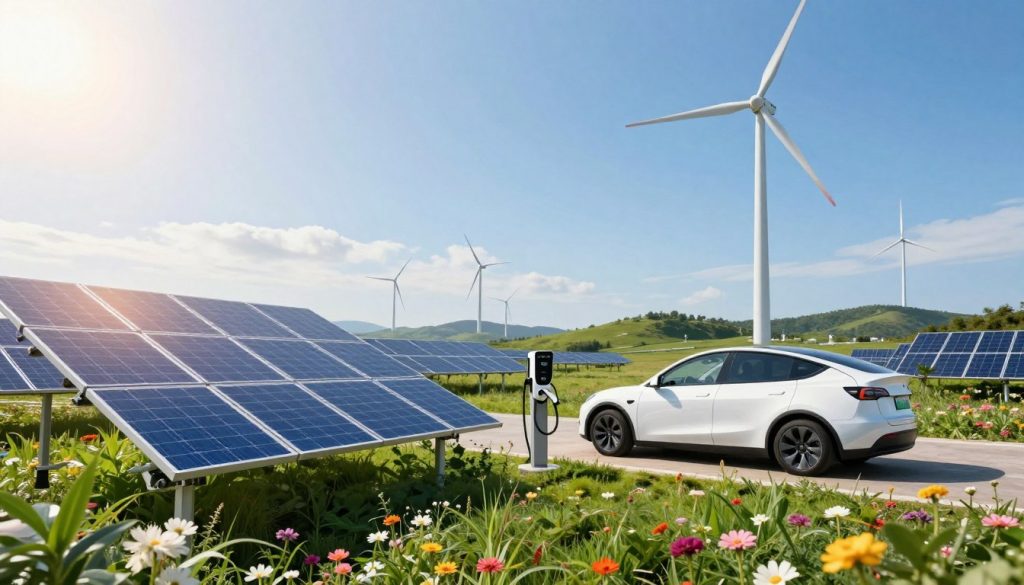
Transitioning to reusable and renewable products is a powerful step towards energy efficiency. This includes using renewable energy sources for your home and opting for products made from sustainable materials.
Spend Time in Nature for Mental and Physical Energy
Spending time in nature not only boosts your mental and physical energy but also fosters a deeper appreciation for the environment. This can lead to more sustainable lifestyle choices.
Take Daily Outdoor Walks
Incorporating daily outdoor walks into your routine can improve your mental health and energy levels. Exposure to natural light and fresh air can be incredibly rejuvenating. Try to schedule a walk into your daily routine, even if it’s just around your neighborhood.
Practice Outdoor Exercise and Recreation
Outdoor activities like hiking, cycling, or simply playing with your kids in a park can be great energy boosters. These activities not only improve physical health but also provide mental relaxation and a sense of connection to nature. Find outdoor activities that you enjoy and make them a regular part of your lifestyle.
Conclusion
By making conscious choices in our daily lives, we can achieve a balance between personal vitality and environmental responsibility. A sustainable high energy lifestyle is not just a goal, but a journey that involves adopting healthy lifestyle choices.
This journey begins with the food we eat, the way we manage our homes, and the transportation we use. By fueling our bodies with sustainable, energy-boosting nutrition, creating an energy-efficient home environment, and embracing sustainable transportation, we can significantly enhance our overall well-being.
As we implement these strategies, we not only boost our energy levels but also contribute to a more sustainable future. By building energy-efficient daily habits, such as practicing mindful consumption and reducing waste, we can make a positive impact on the planet.
Start your journey today by making small changes that can lead to significant benefits. By choosing a sustainable high energy lifestyle, you can enjoy a healthier, more energized you, while also supporting the well-being of the planet.