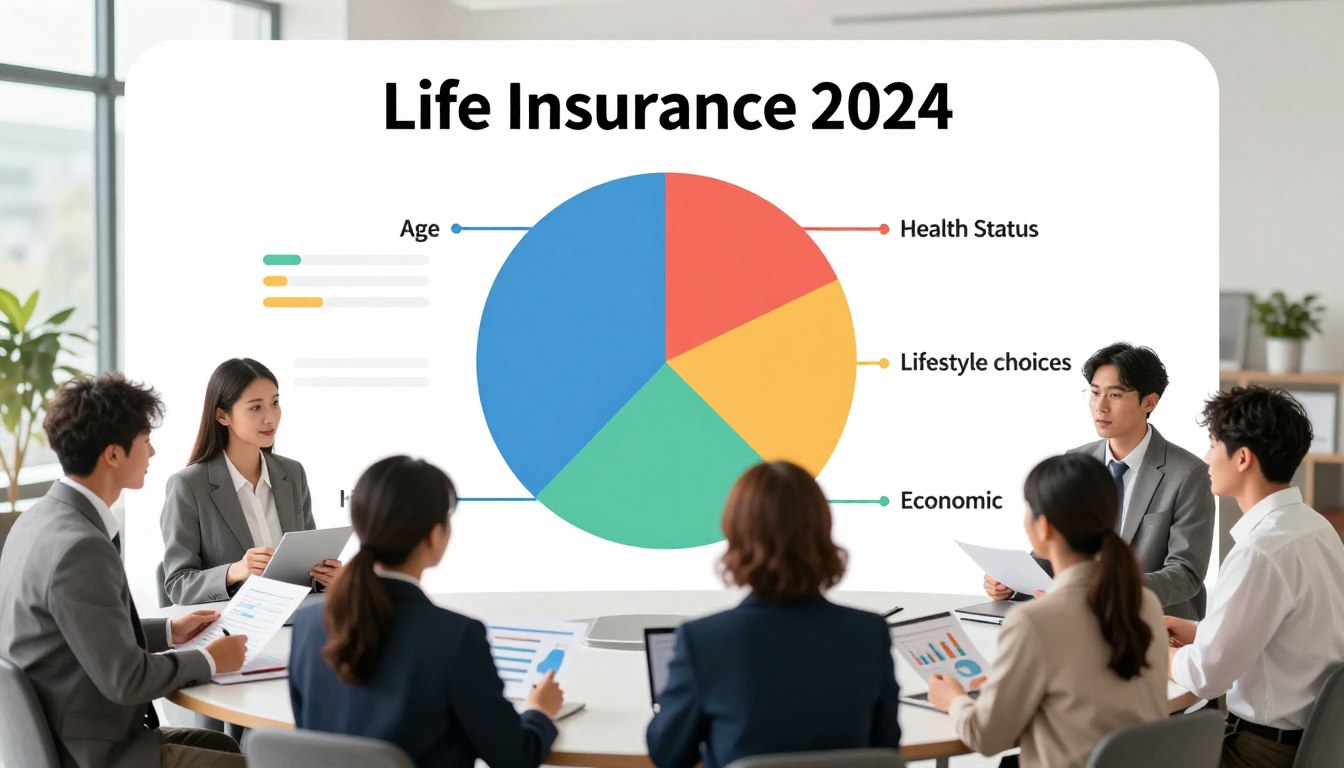
Did you know that two people of the exact same age can receive quotes that differ by hundreds of dollars? It is a common surprise for many applicants. Insurers evaluate your unique profile to determine the level of risk they take on when providing coverage.
Underwriters look at several variables before setting a rate. Your personal health history, tobacco use, and lifestyle choices play a major role in this process. They also consider the specific policy type and the total amount of protection you request.
Because every company assesses mortality risk differently, your financial protection needs are handled on an individual basis. Understanding these variables helps you navigate the market with confidence. We will explore how these elements shape your final costs and provide practical guidance for your search.
Key Takeaways
- Insurers calculate rates based on individual risk profiles rather than a flat fee.
- Age and current health status are primary drivers of your quoted cost.
- Tobacco use significantly increases the price of your monthly payments.
- The amount of coverage you choose directly changes your total financial commitment.
- Lifestyle habits and hobbies are reviewed to assess long-term mortality risk.
How Age, Health, and Family History Shape Life Insurance Premiums
When you apply for a policy, insurers look closely at specific traits that define your long-term risk profile. These life insurance cost factors are essential for determining the level of risk an insurance company assumes when covering your life. While some elements are fixed, others provide a snapshot of your current well-being.
Why Age Is One of the Strongest Premium Determinants for Life Insurance
Age remains the most significant factor in the underwriting process. Younger applicants generally pay lower premiums because they are statistically less likely to pass away during the term of their policy. Time is a critical asset in the eyes of an insurer.
As you grow older, the probability of mortality increases, which leads to higher costs. Insurance companies view older applicants as having a shorter expected policy period. This makes age one of the most consistent life insurance rate influencers in the industry.
How Medical History, Current Health, and Prescription Use Affect Underwriting
Your physical health provides a detailed map of your future risk. Underwriters examine your medical records, including past diagnoses and current health measurements like blood pressure and cholesterol levels. These metrics help the insurer classify your risk level accurately.
Prescription medication use also plays a vital role in the evaluation. If you take daily medication for a chronic condition, the insurer will assess how well that condition is managed. Consistent treatment and stable health markers often lead to more favorable underwriting classifications.
The Role of Family Medical History and Genetic Risk in Life Insurance Pricing
Insurers often review your family medical history to identify potential hereditary risks. If immediate family members have suffered from conditions like heart disease or cancer at a young age, this may influence your premium. However, companies must follow strict privacy and insurance regulations when handling this sensitive data.
“The best time to secure your financial future is when you are healthy and young, as these factors are the foundation of your long-term coverage costs.”
It is helpful to distinguish between factors you can influence and those you cannot. While you cannot change your age or your genetic background, you can often improve your health through lifestyle choices. Managing your weight, diet, and exercise can help mitigate some of the risks that impact your life insurance cost factors.
| Risk Factor | Impact on Premium | Control Level |
|---|---|---|
| Current Age | High | None |
| Medical History | High | Low |
| Lifestyle Habits | Moderate | High |
| Family History | Low to Moderate | None |
Understanding these life insurance rate influencers allows you to approach the application process with confidence. By focusing on the areas within your control, you can work toward securing the best possible rates for your family’s protection.
Coverage Choices That Influence Life Insurance Cost Factors

Understanding how coverage options shift your insurance rates is essential for building a smart financial plan. While your health and age are critical, the specific structure of your policy acts as a major lever in determining your final costs. These choices serve as significant factors impacting life insurance pricing that you can often control to better fit your budget.
How Death Benefit Amount Changes Monthly and Annual Premiums
The death benefit is the core of your policy, representing the total payout your beneficiaries receive. Naturally, selecting a larger death benefit increases the insurer’s potential financial obligation. This higher level of risk for the company typically results in higher monthly or annual premiums for the policyholder.
It is important to balance your desire for a large safety net with your current ability to pay. Choosing an amount that aligns with your actual income-replacement needs is one of the most effective premium determinants for life insurance. You do not want to over-insure and struggle with payments, nor do you want to under-insure your family.
Term Life Insurance Versus Permanent Life Insurance Pricing
The type of policy you select creates a fundamental difference in your long-term costs. Term life insurance provides coverage for a defined period, such as 10, 20, or 30 years. Because this coverage is temporary, it is generally the most affordable option for most families.
In contrast, permanent life insurance offers lifelong protection and often includes cash-value features. These policies are significantly more expensive because they provide coverage for your entire life and build equity over time. Deciding between these two depends on whether you need temporary protection for specific debts or a permanent financial legacy.
How Policy Length, Riders, and Optional Benefits Add to the Cost
Beyond the base policy, you can customize your plan with various riders and features. Longer policy terms usually carry higher costs because the insurer assumes risk over a greater number of years. Additionally, adding optional benefits like a waiver-of-premium provision or an accelerated death benefit will increase your final quote.
While these add-ons provide valuable peace of mind, they should be selected based on your specific household needs. The most expensive policy is not automatically the best option for your situation. Always prioritize coverage that matches your financial goals rather than simply choosing the most comprehensive package available.
Lifestyle and Personal Risk Factors Affecting Life Insurance Premiums

Your daily routine and personal hobbies are more than just habits; they are key factors for life insurance rates. Insurers evaluate these details to determine your overall mortality risk, which helps them set your policy pricing. Being aware of these life insurance premium variables can help you prepare for the underwriting process with confidence.
How Tobacco, Alcohol, and Recreational Drug Use Influence Life Insurance Rates
Tobacco use is one of the most significant indicators of health risk for insurance companies. Because smoking or vaping increases the likelihood of serious health conditions, users often face substantially higher premiums compared to non-smokers.
Similarly, heavy alcohol consumption or the use of recreational drugs can lead to increased underwriting requirements. Insurers look for patterns that suggest long-term health risks. Providing honest and accurate information about these habits is vital, as inconsistencies can lead to coverage disputes later on.
The Impact of Occupation, Hobbies, and High-Risk Activities
Your career choice can also influence your policy costs. If you work in a high-risk field, such as deep-sea welding or high-altitude construction, underwriters may view your profession as a potential hazard.
The same logic applies to your leisure time. Engaging in high-risk hobbies like rock climbing, scuba diving, motorsports, or private aviation often requires additional scrutiny. These activities are considered key factors for life insurance rates because they involve a higher statistical probability of accidental injury or death.
How Driving History, Credit-Related Information, and Financial Underwriting May Matter
Your driving record serves as a window into your personal safety habits. Frequent traffic violations, multiple accidents, or a history of DUIs can signal a higher risk profile to an insurance carrier.
Financial underwriting is another layer that varies by state and insurer. Some companies review credit-related information to assess overall stability. It is always in your best interest to be completely transparent during the application process. Omissions or errors can cause unnecessary delays or even result in a denial of coverage, so take the time to ensure all your data is accurate.
Conclusion
Understanding the primary elements influencing life insurance costs empowers you to make smarter financial decisions. Many variables shape your rates, ranging from personal health and lifestyle choices to the specific coverage amounts you select.
Age and medical history remain significant life insurance premium drivers for most applicants. Tobacco use, high-risk hobbies, and policy design choices like riders or term lengths play a vital role in your final quote. You should look beyond the initial price tag when evaluating options from providers like Northwestern Mutual or New York Life.
Focus on the suitability of the coverage, the underwriting standards of the insurer, and the long-term affordability of the plan. A policy that fits your budget today might not meet your needs if your financial goals shift tomorrow.
Always provide honest information during your application process to ensure your coverage remains valid. Review your protection needs whenever you experience major life changes such as marriage, a new home purchase, or career growth. Taking these steps helps you maintain a secure safety net for your loved ones.